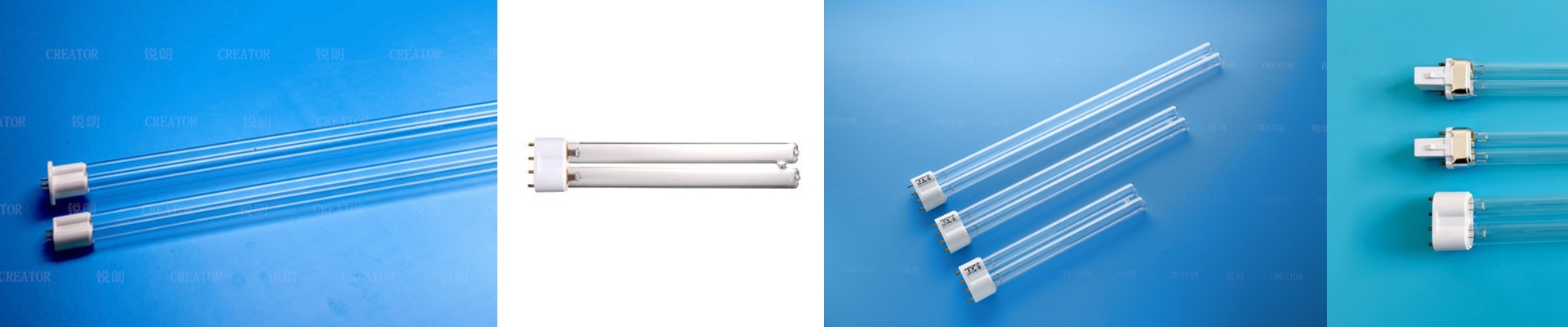
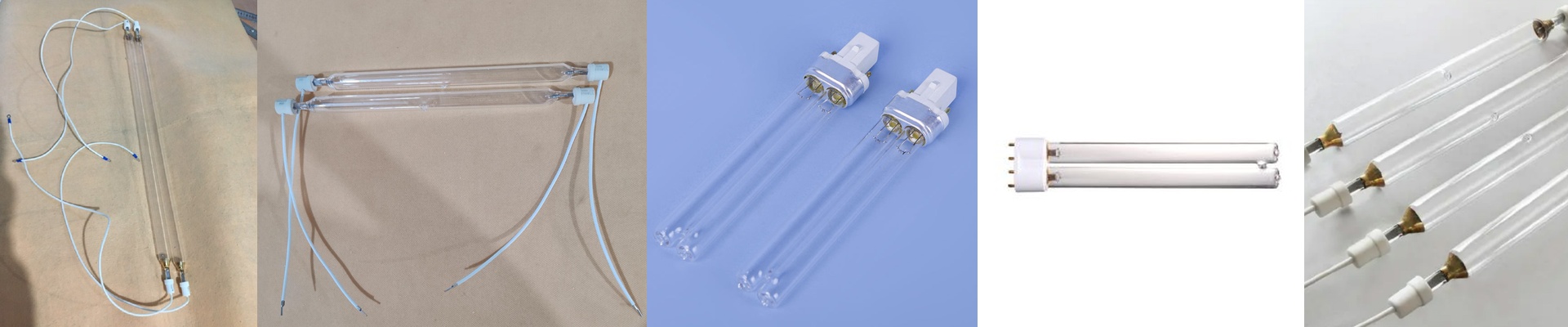
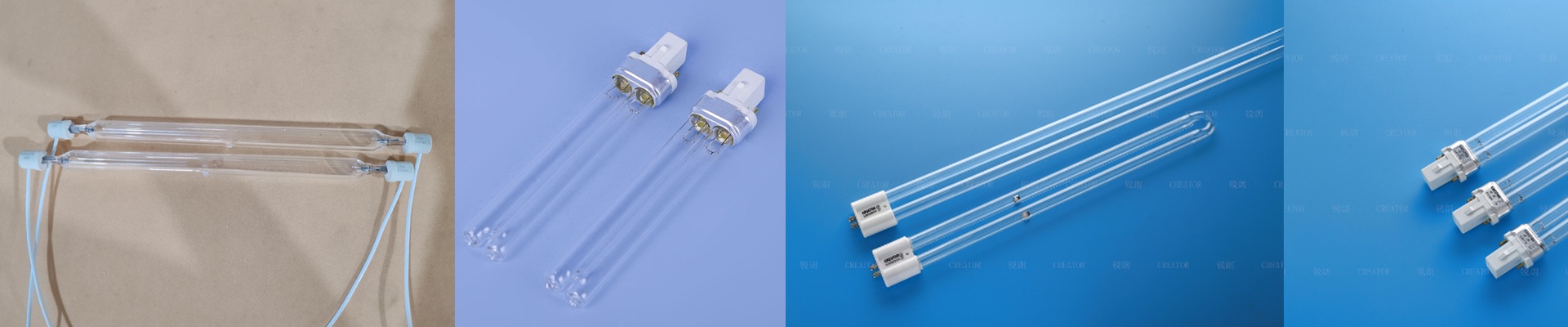
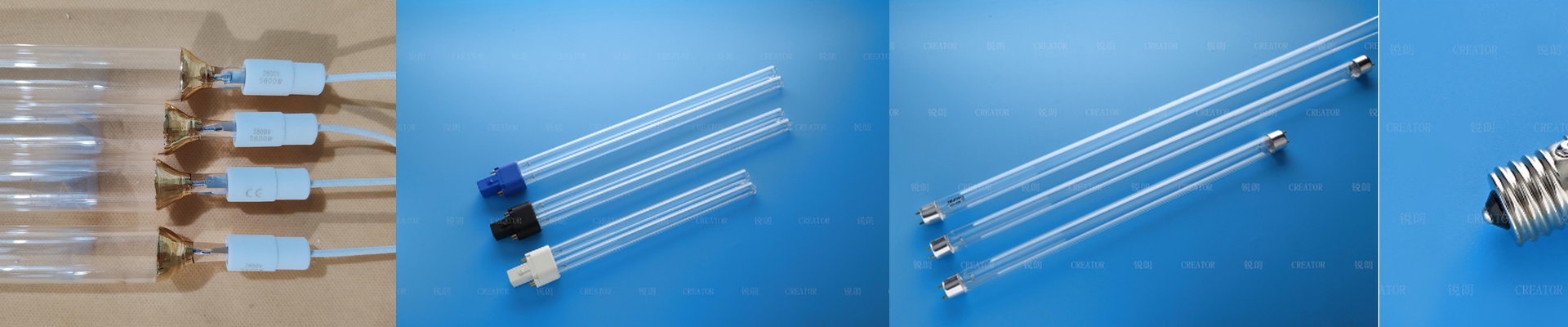
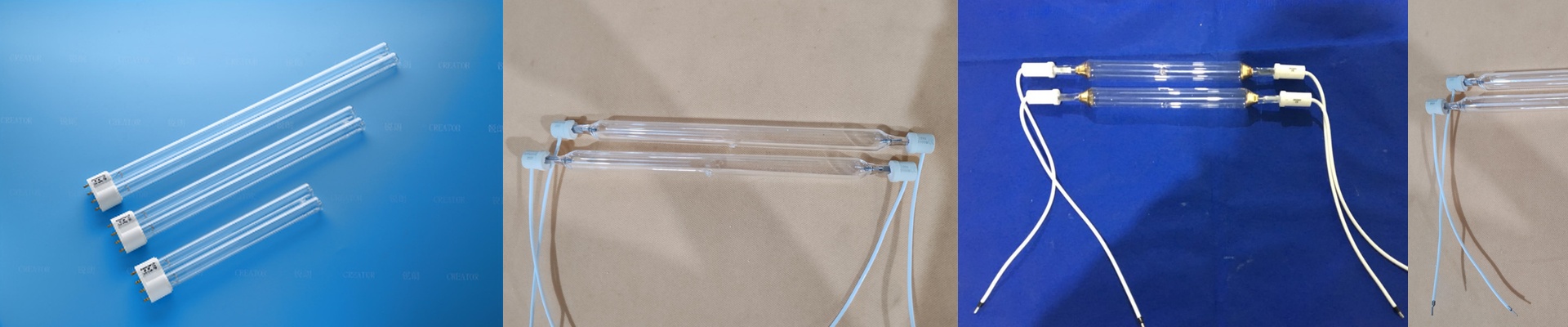
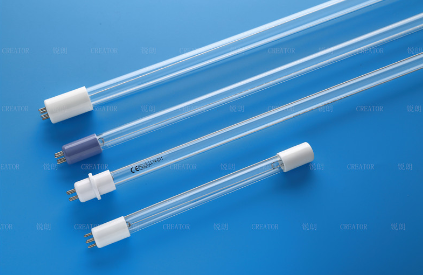
Lab-grade photochemical reactors स्पेक्ट्रल नॉइज़ को हैंडल नहीं कर पाते। जब आप wood-finish formulations चला रहे होते हैं, तो photoinitiator पैकेज को खास तरंगदैर्ध्य पर ट्यून किया जाता है—surface cure के लिए 365 nm और through-cure के लिए 385–405 nm। अगर मिश्रण में कोई गैर-शुद्ध स्पेक्ट्रम आ जाता है तो आप अनपेक्षित साइड रिएक्शन का सामना करते हैं। पुनरावृत्ति असंभव हो जाती है।
इसीलिए mercury UV lamp को स्थिर, narrow-band आउटपुट देना होता है जिसमें tight tolerances हों—na कि कोई चौड़ा, अनियमित hump।
फैक्ट्री फ्लोर पर जो मायने रखता है वह measurable performance है। हम अपने mercury vapor lamps को consistent spectral output के लिए डिजाइन करते हैं, जिससे peak irradiance पूरे arc length में बराबर बनी रहे। reflector assembly stray photons को वापस उनके सही स्थान पर—substrate पर—लौटा देता है।
इससे coating surface पर predictable energy density मिलती है, जिससे cross-linking आपकी सेट की गई दर से होती है, बिना substrate को जलाए या tack छोड़े। हम lamp life curve के दौरान output stability को ट्रैक करते हैं एक कारण से: अगर lamp की intensity में drift होता है, तो हर बार बदलने पर cure settings के लिए फिर से समायोजन करना पड़ता है।
यह सब नियंत्रण पर निर्भर करता है। wood finishing में, आपको एक ऐसा cure profile चाहिए जो coating chemistry और line speed के अनुरूप हो, न कि एक generic blast। spectrally pure mercury UV source के साथ, आप dose को ठीक से सेट कर सकते हैं, लगातार run कर सकते हैं, और undercured edges या surface defects से बच सकते हैं।
जब reflector efficiency उच्च होती है और lamp output स्थिर रहता है तो आप ऊर्जा भी बचाते हैं। और अनियोजित downtime कम हो जाता है जब आप lamp replacements को schedule के अनुसार प्लान कर पाते हैं।
यहाँ व्यावहारिक बाधा है: mercury UV lamps गर्मी उत्पन्न करते हैं, और thermal management सीधे output stability को प्रभावित करता है। lamp को सही airflow और spacing के साथ माउंट करें, और सुनिश्चित करें कि fixture reflector geometry से मेल खाता हो।
Plan the thermal budget in the chamber. इंटीग्रेट करने से पहले, अपने मौजूदा reactor या curing module के साथ connector compatibility और arc-length फिटिंग की पुष्टि करें।