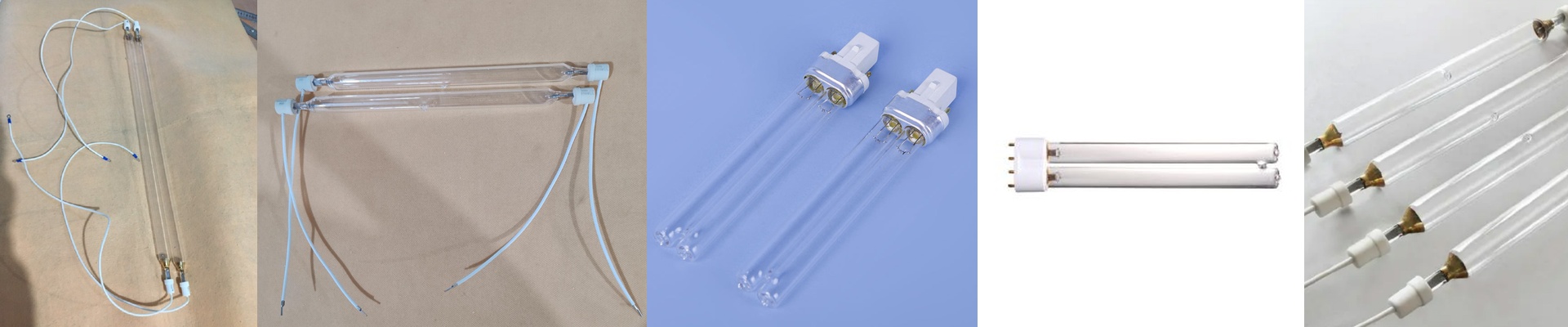
Out on the floor, you can feel it before you see it—a thin film of oily mist settling on the lamp and reflector. The UV intensity meter is already reading lower than yesterday. Jobs that should run at 200 m/min now need to crawl at 150 m/min just to keep uncured tack from showing up. You know what follows: more heat load, more stress on the lamp, and more downtime. What matters, technically We stick with mercury vapor lamps because we need stable spectral output at 365 nm for deep cross-linking, and 385–405 nm for surface cure on thicker ink layers. Peak irradiance has to stay above the ink’s photoinitiator activation threshold across the full width of the web. A dichroic-coated reflector keeps the energy on the substrate instead of turning into waste heat. Keep the quartz sleeves and reflectors clean, and you keep the spectral output honest—even a thin film on the surface can knock 15–25% off your effective dose. Why it works on the line In printing and curing, consistent dose is the only way to hit the targets you care about—hardness, adhesion, and cure speed. When the lamp surface stays clean, irradiance stays stable, so you can hold lamp power and belt speed steady. That means fewer rejects, fewer jams, and a more predictable lamp life. Proper cleaning can stretch lamp service life by about 30% compared with running contaminated, because the lamp runs cooler and the arc stays stable. Here are the details that bite you Oil, solvent vapor, and particulate build up fast around the curing zone. Shut off lamp power, let the system cool, and clean the quartz and reflectors with a solvent-compatible wipe and a non-abrasive cleaner. Don’t touch the quartz with bare fingers—fingerprints will bake in and become permanent hot spots. Confirm lamp voltage and igniter compatibility with your power supply, and match lamp length and arc gap to your reflector geometry. If you run the press at very low speeds, verify the minimum dose at the slowest speed. Otherwise, under-cure is just waiting to happen.
מה שקורה במפעל אפשר להרגיש לפני שרואים – שכבת ערפל שמנוני דקיקה מתיישבת על הנורה והמנעור. מד עוצמת ה-UV כבר מראה קריאה נמוכה יותר מאתמול. עבודות שצריכות לרוץ במהירות של 200 m/min נאלצות לזחול כעת ב-150 m/min רק כדי למנוע הופעת דבק לא מוקשה. וודאי יודעים מה יבוא בעקבות זאת: עומס חום גבוה יותר, לחץ גדול יותר על הנורה ויותר זמני עצירה.
מה שחשוב, מבחינה טכנית
אנחנו נשארים עם נורות אדי כספית כי אנחנו זקוקים לפלט ספקטרלי יציב באורך גל 365 ננומטר לצליבה עמוקה, ובטווח 385–405 ננומטר לריפוי פני השטח בשכבות דיו עבות יותר. עוצמת הקרינה השיא חייבת להישאר מעל לסף הפעלת פוטואיצב הנמצא בדיו לאורך כל רוחב הרשת. מנעור מצופה דיכרואי שומר את האנרגיה על המצע במקום להפוך לחום מבוזבז. נקה את הצינורות הקוורץ והמנעורים, ותשמור על פלט ספקטרלי מדויק – אפילו שכבת דקיקה על המשטח יכולה להפחית 15–25% מהמינון היעיל שלך.
למה זה עובד בקו הייצור
בהדפסה ובריפוי, מינון עקבי הוא הדרך היחידה להגיע ליעדים שאתה מתמקד בהם – קשיחות, הידבקות ומהירות ריפוי. כאשר פני הנורה נשארים נקיים, העוצמה נשארת יציבה, וכך ניתן לשמור על כוח הנורה ומהירות הרצועה באופן קבוע. משמעות הדבר היא פחות פסילות, פחות סתימות וחיי נורה צפויים יותר. ניקוי נכון יכול להאריך את חיי הנורה בכ-30% לעומת עבודה במצב של זיהום, מכיוון שהנורה פועלת בטמפרטורה נמוכה יותר והקשת חשמלית נשארת יציבה.
הפרטים שיכולים לגרום לבעיות
שמן, אדי ממס וחלקיקים מצטברים מהר באזור הריפוי. כבה את חשמל הנורה, תן למערכת להתקרר, ונקה את קוורץ והמנעורים באמצעות מגבון תואם ממס וניקוי שאינו שפשופי. אל תיגע בקוורץ עם אצבעות חשופות – טביעות אצבען יוטבעו ויהפכו לנקודות חמות קבועות.
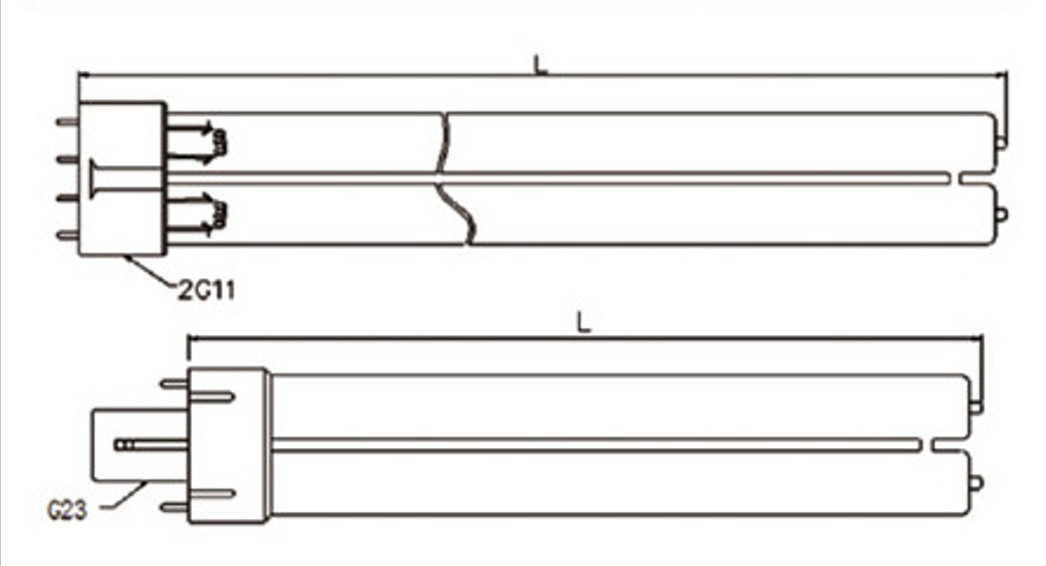
אמת את מתח הנורה והתאמת מדליק החשמל לספק הכוח. התאם את אורך הנורה ורווח הקשת לגאומטריית המנעור. אם מפעילים את המדפסת במהירויות נמוכות מאוד, וודא את המינימום המינון במהירות הנמוכה ביותר. אחרת, תתרחש תהליך ריפוי לא שלם מחכה לקרות.