



Getting UV Curing and Sterilization Right
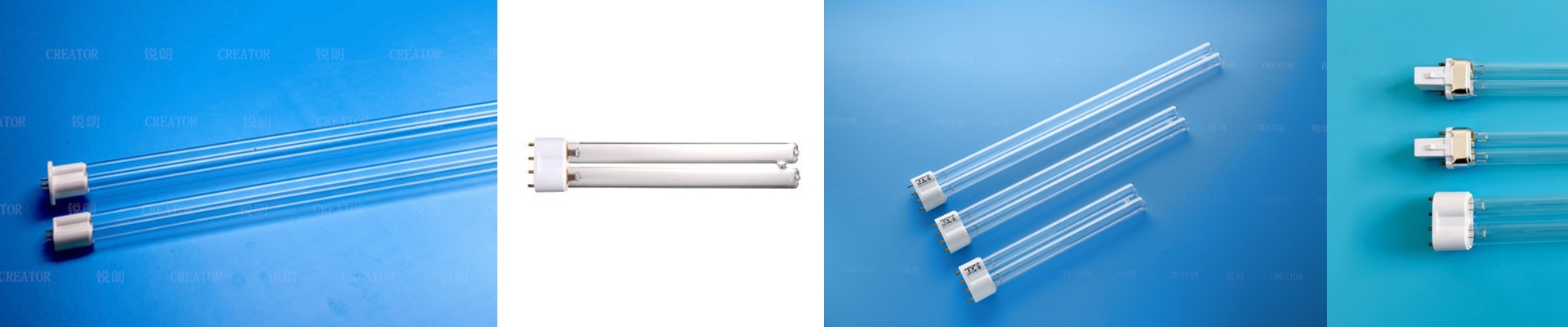
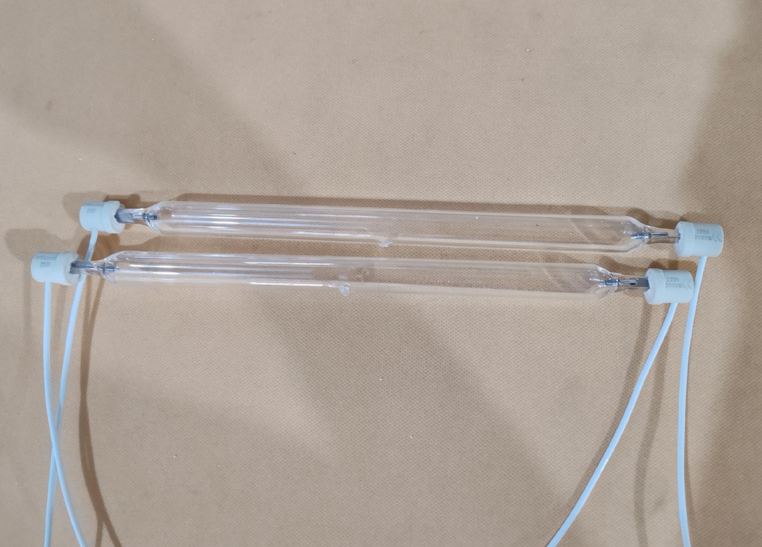
Here’s the thing about UV technology: it’s way more than just swapping out a bulb. It’s really a balancing act. You’re juggling wavelength, how much light is actually hitting the surface, and how fast your belt is moving. Whether you’re trying to kill germs on a sterilization line or dry ink on a t-shirt, the goal is the same. You need a precise dose of energy to make that chemical reaction happen or to break apart microbial DNA. If you miss the mark, it just doesn’t work. The fight against “tacky” ink Most of us use mercury-vapor or LEDs. For curing, we usually hang out in the 365nm to 405nm range. That’s the sweet spot that lets the UV actually soak into the ink. But if your lamp is too weak—or you’re pushing the conveyor too fast—you’ll run into “surface cure.” It’s a nightmare. The top feels dry to the touch, but the bottom is still sticky. To fix that, we look at your line speed and pick the wattage to match. Just keep in mind that high-wattage lamps pull a lot of power and make your cooling fans work overtime. The nitty-gritty hardware You might think connectors like R7s or Sk15 are just about the fit, but they’re actually there to handle the heat. Those quartz tubes expand as they warm up, and the hardware needs to breathe. We stick with high-purity quartz because regular glass actually sucks up the UV light before it ever reaches your product. And if you’re working with PET or thin films, we can use coated lamps. This cuts out the infrared heat so you don’t accidentally warp your materials. The honest trade-offs High intensity is great, but it comes with a catch. The harder you push a bulb, the faster it dies. And here is the tricky part: the UV intensity drops long before the bulb actually burns out. You won’t see it happening, but your product will start failing quality checks. That’s why we suggest tracking your hours and swapping the lamps when they hit about 80% of their life. Also, don’t skimp on the cooling. If the ballast gets too hot, it’ll quit on you way too soon. We don’t just ship you a box of parts; we’ll help you get it wired up and tweak the settings until the chemistry just clicks.