


Getting Your UV Curing Right: The Real Talk on High-Intensity Mercury Lamps
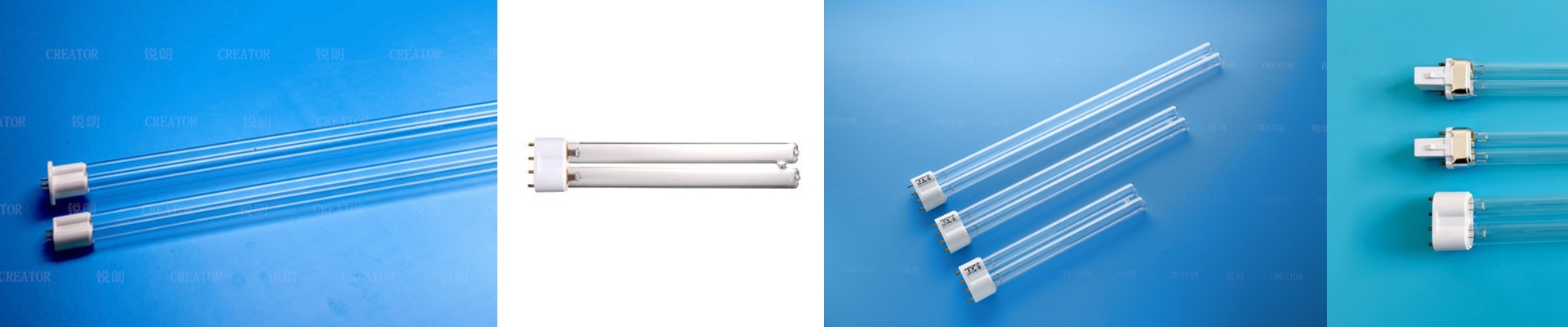
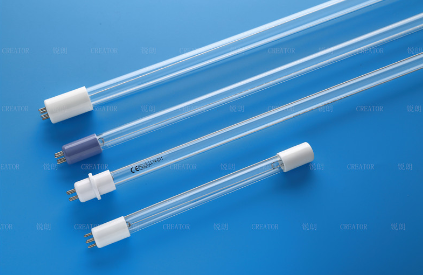
At the 2026 Printing Exhibition, people kept asking us the same thing: “Can these lamps actually stay stable when we’re running at full speed?” It’s a fair question. In industrial printing, you’re playing a dangerous game. You want the ink to cure instantly, but you don’t want to torch your materials in the process. That’s the tightrope we walk when we build our mercury UV modules. The balance of power and heat Here is the thing about mercury vapor: it hits those specific wavelength peaks that make photoinitiators in ink actually work. But there’s a catch. If you crank up the wattage to speed up production, you’re also cranking up the heat. Push it too far without speeding up your conveyor, and you’ll see your materials start to warp. It’s a nightmare. That’s why we don’t just sell a lamp; we spec the module to match your specific line speed. The goal is simple: the ink sets immediately, and your substrate stays flat and cool. Making it actually fit Let’s be honest—off-the-shelf lamps are usually a headache. They rarely fit a specialized press perfectly. We handle the custom lengths and connector types so you can just drop the module in and get back to work. We also use high-grade quartz glass. Why? Because it doesn’t soak up the UV light, meaning more of that energy actually hits the ink. But heat is still the enemy. To stop your lamps from burning out early, we build aluminum heat sinks and forced-air cooling right into the footprint. Just a heads-up: make sure your shop’s ventilation is up to the task. You’ve got to move that thermal load and the ozone byproduct out of the room. Less downtime, fewer headaches Nobody likes a dead line. We design these units for quick swaps. When a lamp hits the end of its life and the output dips, you can pull the module and wire in a new one in a few minutes. One last tip: watch your ballasts. We provide the exact electrical specs because voltage spikes are the fastest way to crack a quartz envelope. Match your voltage, and your lamps will last. It’s as simple as that.